Foods That Help Prevent Dehydration
Medically reviewed by Keith Seibert, MD | Last Reviewed August 2026
Foods That Help Prevent Dehydration (It’s Not Just Water)
Quick AnswerYes — food does meaningful hydration work. About 20% of your daily fluid intake comes from food, and many fruits and vegetables are 90%+ water. Eating water-rich foods like cucumber, watermelon, and citrus alongside drinking water helps you stay ahead of dehydration, especially in summer heat. |
You’ve heard it a thousand times — drink more water. But what if your fork could do some of the work? These everyday foods are quietly keeping you hydrated all summer long.
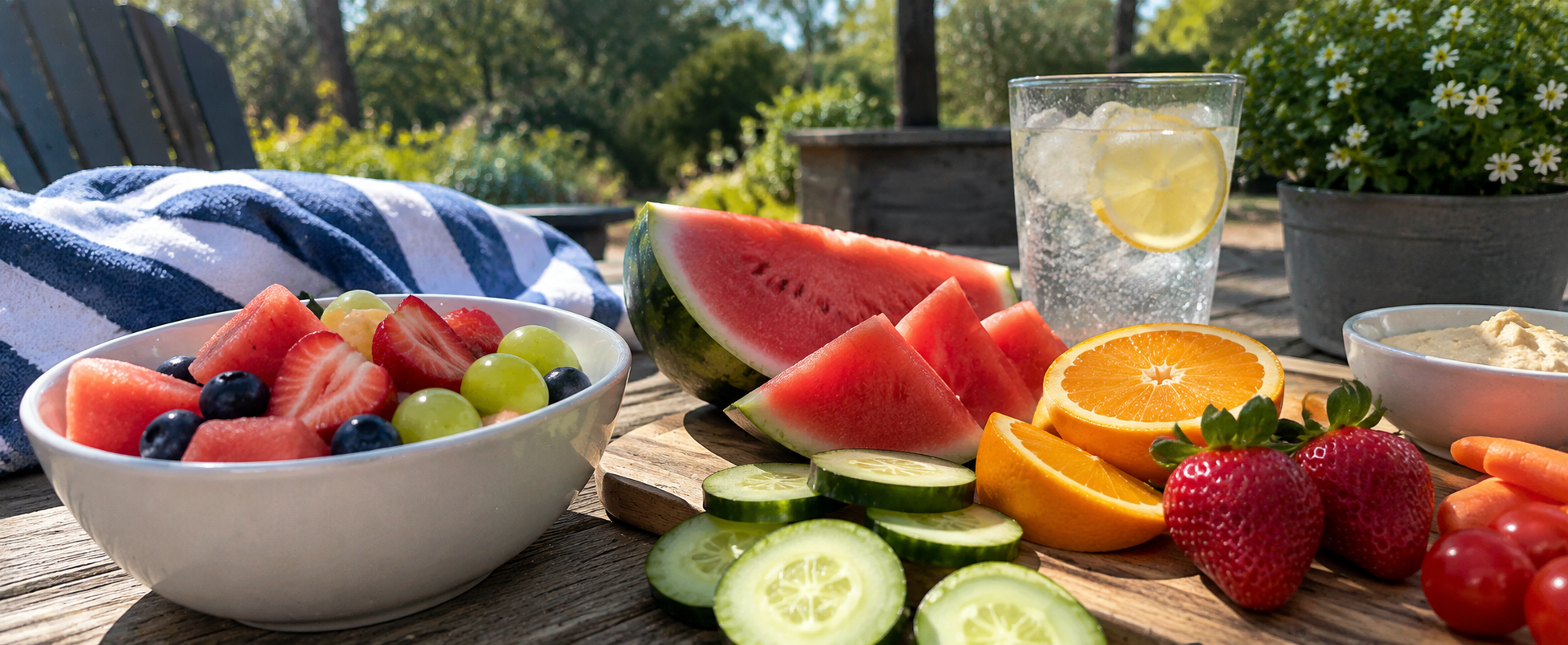
Most people think of hydration as something that happens at the water fountain. But roughly 20% of our daily water intake actually comes from food — and during hot summer months, eating hydrating foods can meaningfully contribute to staying ahead of dehydration, especially when you’re active outdoors.
Here’s what to reach for, what to avoid, and how to build hydration into every meal.
Why Food Is a Surprisingly Powerful Hydration Source
According to the Mayo Clinic, about 20% of daily fluid intake comes from food. Some foods have water content exceeding 90%, effectively delivering water directly to your body along with vitamins, minerals, and fiber that support overall health.
What makes food-based hydration particularly valuable:
- The water in food is absorbed gradually alongside other nutrients, which can support more sustained hydration than drinking a large amount of water at once
- Many high-water foods also contain electrolytes — particularly potassium and magnesium — that support fluid balance at the cellular level
- Eating hydrating foods creates a positive hydration habit that works throughout the day, not just when you remember to reach for your water bottle
What Foods Have the Highest Water Content?
These are the foods with the highest water content, based on USDA FoodData Central data. Incorporating even a few of these into your daily meals can meaningfully support your hydration.
| Food | Water Content % | Bonus Nutrients | Best For |
| Cucumber | 96% | Vitamin K, potassium | Snacking, salads |
| Lettuce (iceberg) | 96% | Folate, vitamin K | Salads, wraps |
| Celery | 95% | Vitamin K, potassium | Snacking with dip |
| Watermelon | 92% | Vitamin C, lycopene | Summer snacks, dessert |
| Strawberries | 91% | Vitamin C, folate | Breakfast, smoothies |
| Peaches | 89% | Vitamin C, potassium | Fresh snacks, yogurt |
| Oranges | 87% | Vitamin C, potassium | Breakfast, smoothies |
| Plain yogurt (regular) | 85–88% | Calcium, protein, probiotics | Breakfast, snacks |
| Tomatoes | 94% | Lycopene, vitamin C | Salads, sandwiches |
| Broccoli | 89% | Vitamin C, fiber, potassium | Cooked or raw |
| Spinach | 91% | Iron, magnesium, folate | Salads, smoothies |
| Zucchini | 94% | Vitamin C, potassium | Grilled, roasted |
Water content values are approximate and based on USDA FoodData Central.
Electrolytes: Why They Matter More Than Water Alone
Hydration isn’t just about water volume — it’s about electrolyte balance. When you sweat, you lose not just water but sodium, potassium, magnesium, and chloride. Without adequate electrolytes, your cells can’t effectively retain and use the water you’re drinking.
What are natural sources of electrolytes?
- Potassium: bananas, avocados, sweet potatoes, spinach, white beans
- Sodium: naturally present in small amounts in most whole foods; lost in significant quantities through sweat
- Magnesium: almonds, pumpkin seeds, dark chocolate, spinach, black beans
- Calcium: dairy products, fortified plant milks, leafy greens
For most people doing moderate activity in summer, eating a diet rich in fruits and vegetables provides adequate electrolytes. Athletes or people doing intense exercise for extended periods may benefit from electrolyte drinks or supplements to replace what’s lost through heavy sweating.
Foods and Drinks That Actually Dehydrate You
Some foods and beverages increase your fluid needs rather than contributing to hydration. Being aware of these helps you plan accordingly:
- Alcohol — acts as a diuretic, increasing urination and fluid loss. Each alcoholic drink increases your hydration needs.
- High-sodium processed foods — chips, deli meat, canned soups — increase your body’s water needs to process excess sodium
- Caffeinated beverages — coffee and caffeinated tea have a mild diuretic effect, though moderate consumption (1–2 cups/day) doesn’t cause net dehydration in most people
- Sugary beverages — don’t hydrate as effectively as water and may contribute to increased urination
Does coffee count toward hydration? In moderate amounts, yes — the mild diuretic effect of caffeine is offset by the fluid content of the beverage for most people. However, in hot weather or during exercise, water and electrolyte drinks are better hydration choices than caffeinated beverages.
Simple Ways to Build Hydration Into Every Meal
The best hydration strategy is one that doesn’t require you to constantly think about it. These simple habits make it automatic:
- Start breakfast with a high-water fruit — berries, melon, citrus, or peaches alongside your usual meal
- Build salads with high-water vegetables like cucumber, tomatoes, celery, and lettuce
- Use watermelon, grapes, or citrus as your afternoon snack instead of dry crackers or chips
- Add a broth-based soup to dinner — soups are an often-overlooked hydration source
- Keep a fruit bowl visible and accessible — you eat what you see
- Make smoothies with spinach, fruits, and yogurt for a hydrating breakfast or post-workout option
How Do I Know If I’m Dehydrated Even If I’m Drinking Water?
You can be dehydrated even if you’re drinking water regularly — especially if you’re sweating heavily, eating a high-sodium diet, or not consuming enough electrolytes. Signs of dehydration to watch for even if you’ve been drinking fluids:
- Urine that is dark yellow or amber — well-hydrated urine should be pale yellow
- Headache that improves after drinking water
- Fatigue that doesn’t respond to rest
- Dry mouth or sticky saliva
- Muscle cramps — often a sign of electrolyte imbalance alongside dehydration
- Dizziness when standing up quickly
If these symptoms persist despite increasing fluids and food hydration, or if they worsen — especially in hot weather or after outdoor activity — it may be time to see a provider. Severe dehydration may require IV fluids.
Frequently Asked Questions
What foods have the highest water content?
The foods with the highest water content include cucumber (96%), lettuce (96%), celery (95%), watermelon (92%), strawberries (91%), spinach (91%), and tomatoes (94%). Incorporating these into daily meals can contribute meaningfully to hydration alongside your water intake.
Can you stay hydrated by eating fruits and vegetables?
Yes — significantly. About 20% of daily fluid intake typically comes from food, and high-water fruits and vegetables can contribute even more when eaten consistently. They can’t fully replace drinking water, but a diet rich in produce makes staying adequately hydrated considerably easier, especially in summer.
What are natural sources of electrolytes?
Natural electrolyte sources include: potassium from bananas, avocados, sweet potatoes, and white beans; magnesium from almonds, pumpkin seeds, and dark leafy greens; and calcium from dairy products and fortified plant milks. A diet rich in fruits and vegetables provides most electrolytes most people need for everyday activity.
Does coffee or alcohol count toward daily hydration?
Coffee in moderate amounts (1–2 cups/day) contributes to fluid intake for most people despite its mild diuretic effect. Alcohol does not count toward hydration — it actively increases fluid loss. In hot weather or during exercise, replace caffeinated and alcoholic beverages with water or electrolyte drinks.
How do I know if I’m dehydrated even if I’m drinking water?
Check your urine color — pale yellow means you’re well hydrated, dark yellow or amber means you need more fluids. Other signs include headache, unusual fatigue, dry mouth, muscle cramps, and dizziness when standing. These can occur even when you’ve been drinking water, especially if electrolyte balance is off or you’re sweating heavily in the heat.
What should I eat after being dehydrated?
After recovering from dehydration, focus on fluids first — water and electrolyte drinks to restore fluid and electrolyte balance. Then reach for hydrating, nutrient-dense foods: watermelon, cucumbers, broth-based soups, yogurt, and fresh fruits. Avoid alcohol, caffeine, and high-sodium processed foods during recovery. If symptoms were severe or IV fluids were needed, follow your provider’s guidance on recovery diet.
Bottom Line
Staying hydrated is a whole-diet strategy, not just a water bottle habit. Loading your meals with high-water fruits, vegetables, and whole foods makes it dramatically easier to stay ahead of dehydration — especially on hot days when your fluid needs increase.
That said, food hydration is a supplement to drinking water, not a replacement. If you’re working outdoors, exercising, or spending extended time in the heat, increase your water intake and watch for symptoms. And if dehydration becomes severe — with dizziness, inability to keep fluids down, or dark urine that doesn’t improve — come see us.
Drinking too much water too quickly is also possible (a rare condition called hyponatremia) — if you’re pushing heavy fluid intake during intense exercise and feel nauseated or confused rather than better, that’s a sign to slow down and seek care.
| Symptoms of Dehydration That Aren’t Getting Better?
If you or your child is showing signs of moderate to severe dehydration, ExperCARE offers walk-in evaluation and IV fluid therapy with no appointment needed. |
